

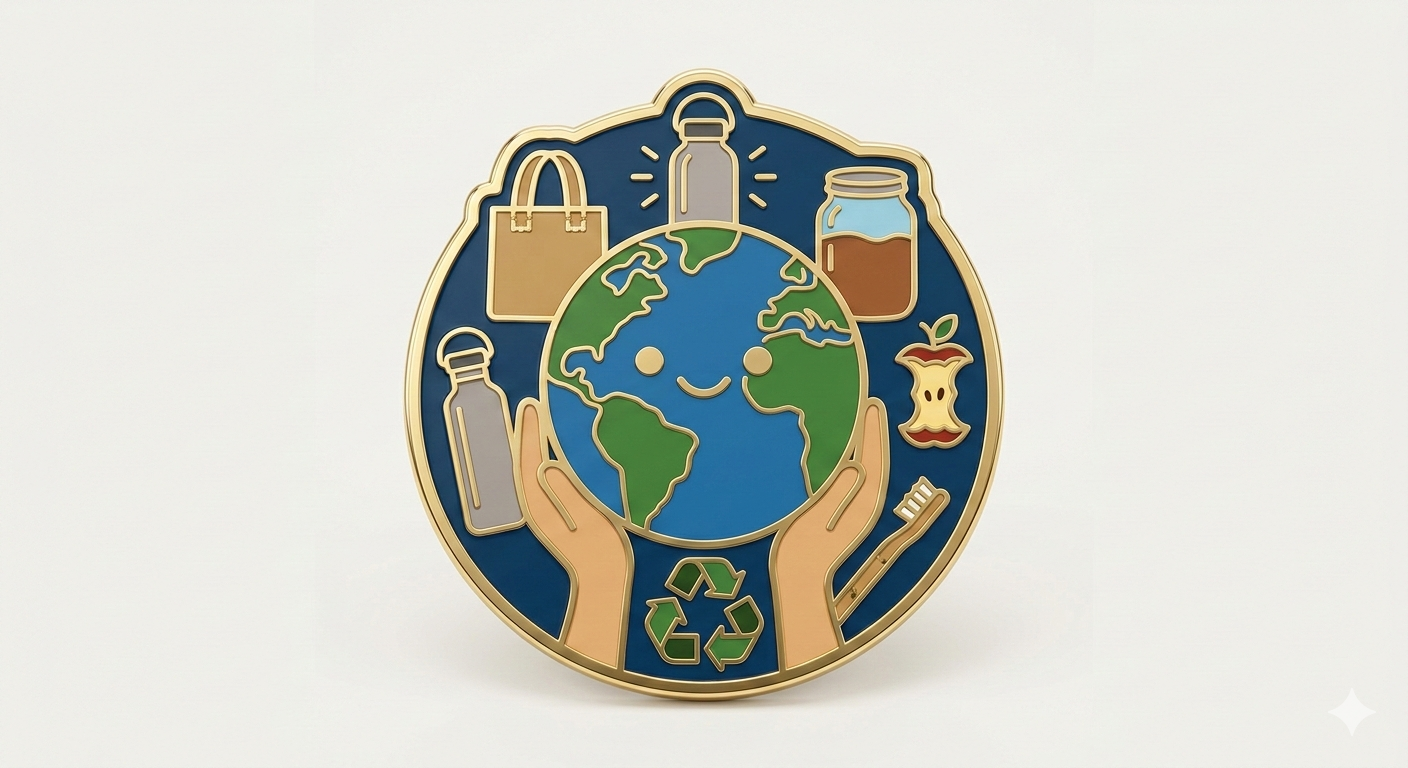

What Is a Zero Waste Lifestyle?
A zero waste lifestyle means you try to send less trash to the dump.
The goal is to cut the waste you make each day. At home. At work. On the go.
It does not mean you make zero trash at all. That is not real life. It means you think more about what you buy, use, and throw out.
Most people use a simple plan called the 5 R’s:
Refuse — Say no to things you do not need. Say no to free bags. Say no to straws you did not ask for.
Reduce — Buy less. Use less. Keep only what you need.
Reuse — Pick things you can use more than once. Cloth bags. Glass jars. Water bottles.
Recycle — When you can not refuse, reduce, or reuse — then recycle. This is the last step, not the first.
Rot — Compost your food scraps. Turn waste into rich soil.
Think of it this way. Each time you bring a bag to the store, you are doing it. Each time you pack a lunch in a box, you are making real change. Small steps lead to big results.
Zero Waste Lifestyle Benefits
Why go zero waste? There are more reasons than you might think.
It Is Good for the Earth
Each year, tons of plastic end up in our seas and dumps. Much of it stays there for hundreds of years.
When you cut your waste, you help fix this. Less trash means less harm to the earth. A cleaner world is better for all of us.
It Is Good for Your Health
Many single-use items have harsh chemicals. Plastic wrap and foam cups can put those chemicals into your food.
When you switch to glass and steel, your home gets cleaner. You take in fewer bad things. That is a big win.
It Saves You Money
This may shock you. Most people think going zero waste costs more. It does not.
We will show you how it saves cash in the very next section.
It Makes Life Simple
When you buy less, you own less. When you own less, life gets calm.
No more piles of bags you will never use. No more stuff you do not need. A zero waste life is a neat, clear life. Many people say it feels like a weight off their chest.
How a Zero Waste Lifestyle Can Save You Money
Let us clear up a big myth right now.
Going zero waste is not too costly. In fact, it saves most people a lot.
Here is how.
You buy less. When you think more about what you get, you stop buying things you do not need. Less waste. More cash in your pocket.
Reusable items replace things you keep buying. Think of how much you spend on paper towels, wrap, and razors each year. One reusable item replaces all of that.
Quick fact: The average person spends over $500 a year on bottled water. A good steel bottle costs about $25 — just once.
Bulk buying cuts costs. Food in bulk costs less per unit. And when you bring your own jars, you skip the markup for the box or bag.
DIY products cost less. A cleaning spray made with vinegar and water costs pennies. A store brand can cost five dollars or more. Zero waste swaps are often DIY swaps. DIY saves cash.
You waste less food. Wasted food is wasted money. When you plan your meals and use what you buy, you stop throwing money in the trash.
Going zero waste is not a treat for rich people. It is a smart move for your budget.
Zero Waste Lifestyle Tips for Beginners
You do not need to change everything at once. Start small. Pick one or two tips and try them this week.
In the Kitchen
Use cloth towels. Paper towels are used once and thrown out. Keep cloth towels on your counter. Wash them with your clothes.
Start to compost. Food scraps do not have to go in the trash. A small bin on your counter takes just a few minutes to set up.
Buy in bulk. Bring your own jars or bags. Get more food for less money. Make less waste.
Store food in glass jars. Glass jars last for years. They do not put bad stuff in your food. Ditch the plastic bags.
Plan your meals. Know what you will cook each week. Buy only what you need. Use what you buy. This one tip alone cuts a lot of waste.
In the Bathroom
Try a bamboo toothbrush. Plastic brushes sit in dumps for years. Bamboo ones work just as well and break down on their own.
Use a shampoo bar. These solid bars have no plastic bottle. One bar lasts as long as two or three liquid ones. Great for travel too.
Get a safety razor. Plastic razors make a lot of waste. A safety razor lasts a lifetime. You only swap out the small metal blade.
Try refill deodorant. Many brands now let you refill the same case. Same product. Much less waste.
While Shopping
Bring reusable bags. Keep bags in your car or by the door. You will never forget them. This is one of the easiest habits to build.
Say no to plastic straws. When you order a drink, ask for no straw. Carry a small bamboo or metal set so you skip the plastic ones.
Buy second-hand. Thrift shops and swap events are full of great things at low prices. Used items mean no new wrap, no new waste.
Choose less packaging. When you have a choice, pick the item with less plastic. Paper and card are much easier to recycle.
At Work or On the Go
Carry a reusable cup. Many coffee shops give a small price cut when you bring your own cup. It pays for itself fast.
Pack a waste-free lunch. Use a box, not a paper bag. Bring real forks and spoons. Skip the single-use snack packs.
Say no to freebies. Free pens and bags at events often go straight in the trash. Just say no. Save the world some clutter.
Best Zero Waste Lifestyle Products to Get You Started
The right items make zero waste living much easier. Do not buy all of them at once. Start with what fits your life.
Kitchen Essentials
Beeswax wraps are a swap for plastic wrap. They cling to food and bowls with just the heat of your hands. Rinse and reuse for up to a year.
Reusable produce bags take the place of thin plastic bags at the shop. They come in a set and can go in the wash.
A compost bin is one of the best things you can add to your kitchen. A small one with a lid keeps things neat and smell-free.
Bathroom Swaps
A bamboo toothbrush does all that a plastic one does — but it breaks down on its own when you are done with it.
Shampoo and conditioner bars are small, solid, and come with no bottle. They last a long time and are great for trips.
Refillable deodorant cuts down on plastic tube waste. Many big brands now sell these.
On the Go
A steel water bottle is the best single buy for most people. It keeps drinks cold or hot for hours. It swaps out hundreds of plastic bottles each year.
A reusable coffee cup is a close second. Many are made with steel or glass and have tight lids. Great for the daily commute.
A bamboo cutlery set fits in any bag. Never take a plastic fork again.
Cleaning Supplies
Reusable cloth wipes swap out paper towels for all your cleaning jobs. They can be washed and used many times.
Cleaning tablets are small solid tabs you drop in a bottle of water. They make a full spray. Far less plastic than buying a new bottle each month.
Compostable sponges are made from plants. They break down at the end of their life. A simple swap with a big effect.
How to Live a Zero Waste Lifestyle in 2024 and Beyond
There has never been a better time to go zero waste.
More products are out there. More shops carry bulk food. More towns have compost drop-off sites. More apps and groups can help you on your way.
Here is a clear plan to get you going.
Step 1: Do a trash check. Before you change a thing, look at what you throw out most. Is it food wrap? Paper towels? Coffee cups? Once you know your top waste, you know where to start.
Step 2: Tackle one room at a time. Do not try to fix your whole life in one weekend. Start in the kitchen. When that feels easy, move to the bathroom. Then look at your shopping. Small steps add up.
Step 3: Find your people. Look for a local zero waste group or an online forum. These groups share tips and cheer you on. It is much easier when you have others on the same path.
Step 4: Use apps. There are apps that help you find bulk shops and places to fix broken things near you. Technology makes zero waste life easier each year.
Step 5: Track your progress. Take a photo of your trash bag each week. Watch it get smaller. Seeing real change keeps you going.
Key tip: Progress beats perfection every single time. You will not be perfect. No one is. The goal is just to do a bit better than you did last week.
Common Myths About Zero Waste Living
Still on the fence? You may have heard some of these. Let us clear them up.
Myth 1: “It costs too much.” This is the most common worry — and the least true. As we showed, zero waste habits save most people money over time. You buy fewer things. Reusable items pay for themselves fast.
Myth 2: “One person can not make a change.” This feels true. But it is not. Your habits rub off on the people around you. When lots of people make small shifts, the effect is huge.
Myth 3: “You have to be perfect.” Not at all. Even the most well-known zero waste fans still make some trash. The goal is less waste, not zero. Any step in the right direction counts.
Myth 4: “Zero waste products are hard to find.” Not any more. Most big shops carry bamboo brushes, reusable bags, and glass jars. You can find the rest online. Zero waste living has never been easier to start.
Conclusion
A zero waste lifestyle does not mean you give up comfort or spend more cash.
It means you make smart, small swaps that are good for the earth, good for your health, and good for your wallet.
Now you know what zero waste means. You know the benefits. You have easy tips, the best products, and a clear plan to get going.
Now it is your turn.
Pick one tip from this list. Just one. Try it this week. Then try one more next week.
Soon these steps will feel like second nature.
You will wonder how you ever lived any other way.
Which tip will you try first? Drop it in the comments — we would love to hear from you!